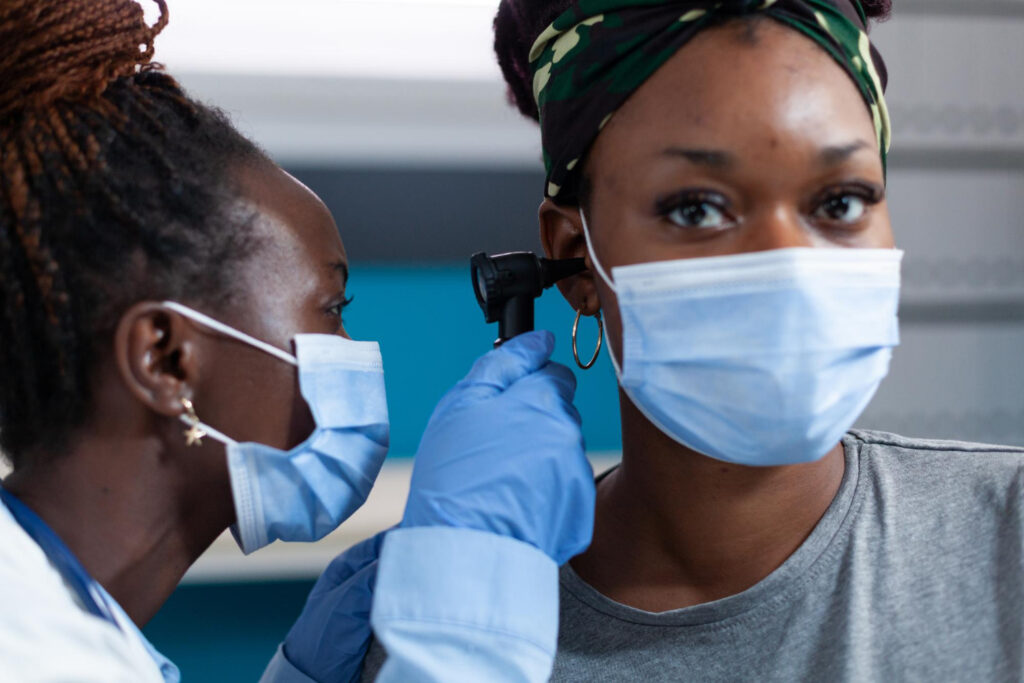
Types of Skin Biopsies We Perform
1. Shave Biopsy
A shave biopsy involves removing a thin layer of skin from the surface using a sterile blade. It is commonly used for:
- Diagnosing basal cell carcinoma and squamous cell carcinoma
- Evaluating moles and skin growths
- Removing superficial skin lesions
Procedure: A local anesthetic is applied, and the affected skin is gently shaved off.
2. Punch Biopsy
A punch biopsy uses a circular tool to remove a small, deeper core of skin tissue. It is ideal for diagnosing:
- Inflammatory skin diseases
- Autoimmune conditions like lupus
- Skin infections and rashes
Procedure: A small instrument is used to punch out a tissue sample, which is then sent for lab analysis.
3. Excisional Biopsy
An excisional biopsy involves the complete removal of a skin lesion or abnormal tissue. It is commonly used for:
- Removing suspicious moles
- Diagnosing melanoma
- Extracting cysts or lipomas
Procedure: The entire lesion is cut out under local anesthesia, and the wound is closed with stitches.
4. Incisional Biopsy
An incisional biopsy is used when only a portion of the skin lesion needs to be removed for examination. It helps diagnose:
- Deep skin conditions
- Unexplained rashes and growths
Procedure: A section of the abnormal skin is excised, preserving the surrounding area for further observation.
When Do You Need a Skin Biopsy?
A dermatologist may recommend a skin biopsy if you have:
- A new or changing mole
- A non-healing wound or ulcer
- A persistent or unusual rash
- Scaly or inflamed skin patches
- Suspicious skin growths or lumps
Early diagnosis through a biopsy can be lifesaving, especially for detecting skin cancers.
What to Expect During a Skin Biopsy
Step 1: Preparation – The area is cleaned, and a local anesthetic is applied to numb the skin.
Step 2: Tissue Collection – Depending on the biopsy type, a small section of skin is removed.
Step 3: Wound Care – The biopsy site is bandaged, and aftercare instructions are provided.
Step 4: Lab Analysis – The tissue sample is sent to a pathology lab for microscopic examination.
Step 5: Results and Treatment Plan – Your dermatologist will discuss the results and recommend the best course of action.
Skin Biopsy Aftercare
Proper care after a biopsy helps in quick healing and prevents infections. Follow these tips:
- Keep the biopsy site clean and covered
- Avoid touching or scratching the area
- Follow prescribed medication or antibiotic ointments
- Watch for signs of infection like redness, swelling, or pus
- Attend follow-up appointments as recommended
Why Choose Skin by Dr. Nancy for Skin Biopsies?
At Skin by Dr. Nancy, we provide safe, painless, and accurate skin biopsy procedures in a comfortable environment. Here’s why patients trust us:
- ✅ Expert Dermatologists: Our specialists have extensive experience in diagnosing skin conditions.
- ✅ Advanced Diagnostic Techniques: We use the latest technology for precise and early detection.
- ✅ Minimally Invasive Procedures: Our skin biopsies are quick and virtually painless.
- ✅ Personalized Care: We tailor our treatments based on your skin needs.
- ✅ Fast and Accurate Results: We ensure timely biopsy results and treatment recommendations.
The kinds of biopsy, and why the choice matters
“Biopsy” covers several different procedures. Which one is used depends on what question needs answering, and choosing wrongly can mean the sample cannot answer it.
| Type | What it takes | Used when |
|---|
| Punch biopsy | A small full-thickness core, usually closed with one or two stitches | Rashes and inflammatory conditions, where the depth of skin matters |
| Shave biopsy | The raised part of a lesion, taken flush with the skin | Raised lesions that are clearly benign |
| Excisional biopsy | The whole lesion with a margin of normal skin | Anything suspicious, where the full lesion must be examined |
| Scalp biopsy | A core taken from an active area of the scalp | Distinguishing scarring from non-scarring hair loss |
The last one deserves emphasis. In hair loss, a biopsy is sometimes the only way to establish whether follicles are still viable – and that single answer decides whether regrowth is realistic. See hair loss treatment.
What a mole check actually involves
A mole check is not a glance across the room. Every lesion of concern is examined with a dermoscope, a magnifying instrument with its own light that reveals pigment patterns and vessel structures invisible to the naked eye.
What we are looking for, in plain terms:
- Asymmetry – one half unlike the other
- Border – irregular, notched or poorly defined edges
- Colour – more than one shade within a single lesion
- Diameter – larger than about 6mm, though small lesions can matter too
- Evolving – and this is the most important of all. A lesion that is changing deserves attention regardless of how it scores on everything else
What matters most on darker skin
Melanoma is less common in deeply pigmented skin but more often found late, partly because people assume they are not at risk and partly because it favours sites nobody thinks to check. The ones that matter:
- Soles of the feet – the single commonest site in darker skin
- Palms of the hands
- Under the finger and toenails – a new dark streak running the length of a nail should always be examined
- Inside the mouth and on the lips
Check your own feet, including between the toes, when you cut your nails. It takes a minute and it is where the important ones hide.
The procedure, step by step
- The lesion is examined and photographed where useful.
- The area is cleaned and local anaesthetic injected. This stings briefly, then the area is numb.
- The sample is taken. You feel pressure but not pain.
- The site is closed with stitches or dressed, depending on the technique.
- The specimen goes to the laboratory for histology.
- A review appointment discusses the result and what follows from it.
Aftercare
- Keep the dressing dry for the period you are told, usually the first day or two.
- Simple pain relief is normally enough; significant pain is not expected.
- Avoid stretching the area – heavy lifting or vigorous exercise if it is on the trunk or a limb.
- Stitches, where used, are removed at a set interval that depends on the site.
- Report increasing redness, swelling, discharge or fever rather than waiting for the review.
A biopsy always leaves a small scar. On skin that scars thickly, mention any history of keloids beforehand so the technique and site can be planned accordingly.
When a mole check should not wait
Most moles are entirely harmless and most checks are reassuring. These are the situations where an appointment should be made rather than monitored at home:
- A lesion that has clearly changed in size, shape or colour over months
- Anything that bleeds without being knocked, or bleeds repeatedly
- A sore or spot that has not healed after several weeks
- A new dark streak under a nail, or pigment spreading onto the skin around the nail fold
- A changing or new spot on the sole of the foot or the palm
- A mole that itches or stings persistently
- One lesion that looks obviously different from all your others
Photographs taken months apart are more useful than any description, so if you have them on your phone, bring them.
Who benefits from regular surveillance
Some people are checked periodically rather than only when something changes: anyone living with albinism, anyone who has already had a skin cancer, people with very large numbers of moles, those with a strong family history, and anyone on long-term medication that suppresses the immune system. If you fall into one of those groups, say so when booking so a longer appointment is set aside.
Skin biopsies and mole checks – questions patients ask
Will I get the results the same day?
No. Tissue has to be processed and examined by a pathologist, which takes time. Reception will tell you when to expect the result and how it will be discussed with you.
Is a biopsy painful?
The anaesthetic injection stings for a few seconds. After that you feel pressure and movement but not pain. Most people are surprised by how quick it is.
Can a biopsy make a cancer spread?
No. This is a persistent and understandable worry, but taking a sample does not cause a cancer to spread. Delaying diagnosis, on the other hand, genuinely does cost time that matters.
Why can’t you just freeze it off instead?
Because freezing destroys the tissue, and with it any chance of examining the cells. For anything with a question mark over it, that would mean losing the diagnosis – which is why suspicious lesions are removed properly and sent for histology.
I have a dark line under my nail. Should I worry?
It should be looked at rather than worried about. Many causes are entirely benign, but a new or changing dark streak under a nail is one of the presentations that matters in darker skin, and it is quick to assess.
How big a scar will it leave?
A punch biopsy usually leaves a small round mark a few millimetres across, and an excision leaves a fine line. Both fade considerably over months. On skin that scars thickly this is planned for in advance rather than discovered afterwards.
Can I go back to work the same day?
Almost always, yes. The main restriction is avoiding heavy lifting or vigorous exercise that stretches the wound, depending on where it is.
Book an Appointment for a Skin Biopsy
If you have a suspicious skin lesion, rash, or growth, don’t delay. A skin biopsy can help diagnose serious conditions early. At Skin by Dr. Nancy, we provide expert skin examinations and biopsies to keep your skin healthy and safe.
📅 Schedule an appointment today for a skin biopsy consultation.
📍 Location: Applewood, Adams Arcade
📞 Call Us: 0728 566990
📧 Email: info@skinbydrnancy.com
🌍 Visit Us: Skin by Dr. Nancy