Common Areas Where Keloids Develop
Keloids can appear on various parts of the body, including:
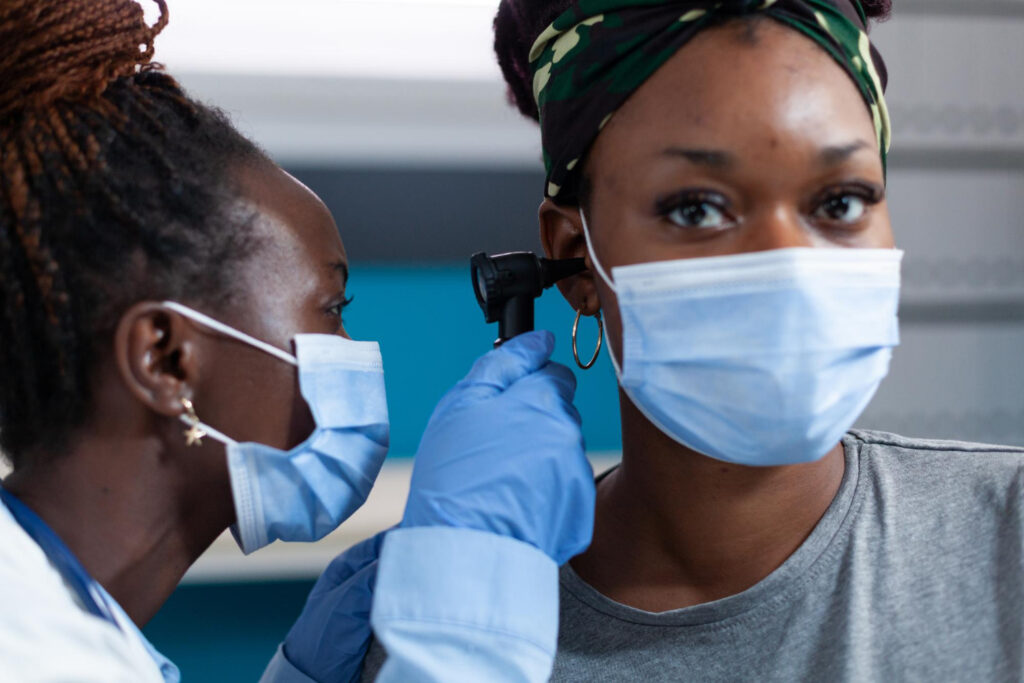
- Ear lobes (from piercings)
- Chest and shoulders
- Jawline and cheeks
- Neck and back
- Arms and legs
Keloid Removal Treatments We Offer
1. Intralesional Steroid Injections
Intralesional steroid injections are one of the most effective ways to shrink and soften keloids. This treatment works by:
- Reducing inflammation and collagen production
- Flattening the keloid over time
- Relieving itching and discomfort
Treatment Plan: Multiple sessions may be required for the best results.
2. Laser Therapy
Laser therapy is a non-invasive technique that uses light energy to break down excess scar tissue and stimulate new skin growth. Benefits include:
- Gradual reduction in keloid size
- Improvement in skin texture and tone
- Minimal pain and recovery time
Treatment Plan: Several sessions may be needed for optimal results.
3. Surgical Excision
Surgical removal involves carefully cutting out the keloid under local anesthesia. This method is recommended for:
- Large or resistant keloids
- Keloids that have not responded to other treatments
Treatment Plan: To prevent regrowth, surgical excision is often combined with steroid injections or radiation therapy.
4. Cryotherapy (Freezing Treatment)
Cryotherapy uses liquid nitrogen to freeze and shrink the keloid. This method is ideal for:
- Smaller keloids
- Minimizing discomfort and scarring
Treatment Plan: Several sessions may be required for best results.
5. Silicone Gel Therapy
Silicone gel sheets are a non-invasive treatment option that helps prevent excessive collagen buildup and soften existing keloids. This method:
- Reduces scar thickness
- Improves skin texture
- Works best when used consistently
Treatment Plan: Requires daily application over several weeks for visible improvement.
6. Radiation Therapy
For severe or recurrent keloids, radiation therapy may be recommended after surgical removal. This technique:
- Prevents excessive scar tissue formation
- Reduces keloid regrowth
Treatment Plan: Often combined with surgical excision for long-term results.
What to Expect During Keloid Removal Treatment
At Skin by Dr. Nancy, we ensure a smooth and comfortable experience. Here’s what you can expect:
Step 1: Consultation – Our dermatologist will assess your keloid and recommend the best treatment option.
Step 2: Treatment – Depending on the method chosen, the procedure will be performed with minimal discomfort.
Step 3: Aftercare – We provide post-treatment instructions to ensure proper healing and prevent recurrence.
Post-Treatment Care and Prevention
To maintain results and prevent keloid regrowth, follow these aftercare tips:
- Keep the treated area clean and moisturized
- Avoid sun exposure and apply sunscreen
- Do not scratch, pick, or irritate the treated area
- Use silicone gel sheets as recommended
- Attend follow-up appointments as advised
Is Keloid Removal Safe?
Yes! Keloid removal is safe when performed by an experienced dermatologist. Potential side effects include:
- Temporary redness or swelling
- Mild discomfort at the treatment site
- Risk of recurrence (which can be minimized with proper aftercare)
Why Choose Skin by Dr. Nancy for Keloid Removal?
At Skin by Dr. Nancy, we offer expert keloid treatment with a focus on patient safety, effectiveness, and lasting results. Here’s why clients choose us:
- ✅ Experienced Dermatologists: Our specialists have extensive expertise in keloid management.
- ✅ Advanced Treatment Options: We provide a variety of proven keloid removal methods.
- ✅ Personalized Treatment Plans: Every procedure is customized to suit your skin type and keloid severity.
- ✅ Minimally Invasive Solutions: Many of our treatments require little to no downtime.
- ✅ High Success Rate: Our combination therapy approach helps prevent keloid regrowth.
Keloid or hypertrophic scar?
These two are constantly confused, and the distinction changes both the treatment and what to expect.
| Hypertrophic scar | Keloid |
|---|
| Extent | Stays within the original wound | Grows beyond the original injury into normal skin |
| Course | Often flattens on its own over a year or two | Persists and can keep enlarging |
| Recurrence | Uncommon after treatment | Common if treated by excision alone |
| Symptoms | Mild itch or tightness | Frequently itchy, tender or painful |
Why cutting a keloid out on its own fails
This is the most important thing on the page. A keloid is an over-exuberant healing response. Excising it creates a fresh wound – and that wound heals with the same over-exuberant response, which is why keloids removed by surgery alone frequently return larger than before.
Effective treatment therefore combines methods and plans for recurrence from the outset:
- Intralesional steroid injections – the mainstay, given as a series a few weeks apart to flatten and soften the lesion and settle the itch.
- Cryotherapy, sometimes combined with injection, which can improve response in smaller lesions.
- Pressure and silicone, particularly useful for ear keloids after piercing, and requiring consistency over months.
- Planned excision only where it is combined with adjuvant treatment to suppress the recurrence that would otherwise follow.
Where we see them most
- Earlobes, after piercing – the commonest of all, and the most treatable
- Chest, shoulders and upper back, often after acne
- Jawline and neck, after shaving bumps or folliculitis
- Surgical scars, including caesarean and other planned operations
- Vaccination and injection sites
If you are keloid-prone, plan ahead
This is worth knowing before your next procedure of any kind:
- Tell any doctor, surgeon or dentist before a planned procedure. Preventive measures started early work better than treatment started late.
- Think carefully about elective piercings and cosmetic procedures on the chest, shoulders and ears.
- Treat acne on the chest and back promptly rather than waiting – see acne treatment.
- Attend to any wound properly; the better it heals, the less it has to overcorrect.
- Come in when a scar first starts thickening. Early keloids respond far better than established ones.
What treatment realistically achieves
The honest goal is a keloid that is flatter, softer, paler, no longer itchy or painful, and not growing. Complete removal without any trace is not a realistic promise, and anyone offering it is overselling. For most people the relief from itch and tenderness matters as much as the change in appearance.
What happens at your first keloid appointment
The lesion is measured and examined, and its history matters as much as its appearance – how long it has been there, whether it is still growing, whether it itches or hurts, and what caused it. Old keloids behave differently from ones that formed in the last few months, and the plan reflects that.
You will be given a realistic number of sessions rather than a vague course, an explanation of what change to expect and when, and a plan for preventing recurrence. If excision is being considered, the adjuvant treatment that must accompany it is discussed at the same time rather than presented later as an extra.
Where the keloid follows acne on the chest or back, the acne itself is treated in parallel. Removing a keloid while new inflamed lesions keep forming around it is treating the symptom and ignoring the source.
Living with a keloid while it is being treated
Treatment takes months, so a few things help in the meantime. Avoid friction over the area from straps, collars and waistbands, since constant rubbing keeps the lesion irritated. Protect it from sun, which darkens the surrounding skin and makes the keloid more conspicuous than it needs to be. And resist the urge to try remedies on it between sessions – garlic, toothpaste and various oils circulate widely as keloid cures, and the main thing they reliably produce is contact dermatitis on top of the keloid.
Keloids after acne
Chest and back keloids following acne are among the most preventable presentations we see, and among the most distressing when they arrive. The pattern is predictable: inflamed acne on keloid-prone skin, left untreated because chest and back acne is easy to cover up, gradually producing raised scars that outlast the acne by decades. If you scar thickly and you have acne anywhere on the trunk, treat the acne now rather than the scars later.
Keloid treatment in Nairobi – questions patients ask
Why do I get keloids when other people do not?
There is a strong genetic component, and keloid tendency is considerably more common in people with deeply pigmented skin. It runs in families. Nothing you did caused it.
Will one injection be enough?
Rarely. Injections are given as a course spaced several weeks apart, and the number depends on the size and age of the keloid. Older, thicker keloids need more sessions.
Do the injections hurt?
They are uncomfortable, particularly in firm keloids where the tissue resists. It is brief, and measures can be taken to make it more tolerable. Most people find subsequent sessions easier as the lesion softens.
Can I get my ears pierced again afterwards?
It is best avoided on an ear that has already formed a keloid, since re-piercing the same site frequently starts the process again. If it matters a great deal to you, discuss it first rather than afterwards.
Will the skin go back to its normal colour?
Colour usually improves as the keloid flattens, though some difference in tone often remains. Sun protection over the area helps it settle more evenly.
How long before I see the keloid flatten?
Softening and reduced itch often come first, sometimes after the first or second session. Visible flattening builds across the course rather than appearing suddenly, so it is judged over months rather than between appointments.
Are keloids dangerous?
No. Keloids are benign – they do not turn into anything sinister. They are treated because they itch, hurt, catch on clothing and affect confidence, all of which are legitimate reasons on their own.
Book an Appointment for Keloid Removal
If you have keloids that are painful, itchy, or affecting your confidence, our expert dermatologists at Skin by Dr. Nancy can help. We offer safe, effective, and long-term solutions for keloid removal.
📅 Schedule your consultation today to begin your journey to smoother skin.
📍 Location: Applewood, Adams Arcade
📞 Call Us: 0728 566990
📧 Email: info@skinbydrnancy.com
🌍 Visit Us: Skin by Dr. Nancy